Quick Summary: How to Ruin the Relationship With Your Child (And What to Do Instead)
Ruining the relationship with your child often happens unintentionally, through words, actions, and habits we don’t even realize are pushing their hearts away. In this post, we explore 7 common parenting mistakes that can damage your bond with your child and what you can do to restore and strengthen it, starting today.
Whether you’re a mom saying, “I ruined my relationship with my daughter,” or a dad wondering how to repair a broken relationship with your son, this post offers hope, grace, and practical, biblical wisdom to rebuild trust and connection.
How to Avoid Ruining the Relationship with Your Child
Family is all about relationships and staying connected to the hearts of your children. That bond is something we have to protect and nurture as we raise our kids. If you’re not careful, you can gradually ruin the relationship with your child without even realizing it. It’s not always just what you say, but how you say it—or the habits you carry— that can make your child feel unloved or even rejected.
I have been guilty of some of those things myself, and it opened my eyes to how deeply it affected my child. If you want a strong relationship, here are seven things to avoid.


You may read some of the things on this list, think of a time when you did or said that, and start feeling guilty. That is NOT my intent! The purpose of this post is to remind us to be aware of how we respond to and treat our children to help prevent us from ruining our relationship with them.
None of us are perfect parents, and we all say and do things we wish we could take back. That doesn’t mean your relationship with your child is ruined. The key when you respond wrong is to apologize to your child and make things right.

1. Embarrassing or Criticizing Them Publicly
You shouldn’t correct or scold your child publicly, or even in front of their siblings – it hurts and triggers shame. Instead, take them aside privately and talk with them, training and gently addressing the heart issue. Correct with kindness and heart training instead.
2. Avoiding Apology When You’ve Been Harsh
Ignoring your mistakes and not saying “I’m sorry” causes bitterness and emotional distance. I have tried to make it a habit every evening to think back over the day and try to remember if there was a situation where I responded wrong, that I needed to go and make right. Your kids will love you and respect you for being willing to admit when you have responded wrong, and they will accept your apology and offer forgiveness. Why apologizing matters: it models accountability, humility, and repentance. Failing to apologize will lead to bitterness and can gradually ruin the relationship with your child.
Affiliate Disclosure: This blog contains affiliate links. I may earn a small commission at no extra cost to you.

3. Jumping Straight into Advice.
Often, our kids just want to share things with us; however, they don’t want to get a lecture in return. A HUGE part of communication is LISTENING!
Your kids should feel safe to bring questions, thoughts, or struggles to you, knowing that you will listen and not immediately jump in with criticism or correction. If you feel they are making poor choices or their thinking is faulty, don’t bring that up right then, when they are opening their heart to you. You can give some gentle feedback if you feel they are asking for it. But the thing to remember is that if we want them to come to us, they need to feel safe doing so. If they don’t, they will start going to someone else. At that point, you begin to lose the heart connection and the opportunity to influence and guide them. Offering unasked-for advice can shut them down. Instead, practice active listening. Let them know they’re safe with you. If guidance is wanted later, you can respectfully say, “Would you like some thoughts?” instead of launching a lecture.
4. Focusing Only on Mistakes—Not Encouragement
This is something I have to work on! Often, the kids have done something good, but I wanted a little more, or for it to be done a little differently. Rather than being thankful or encouraging, I responded with “Why didn’t you….?” or “You should have….” This is a great way to discourage your kids, and eventually, they will quit trying to please you.
On the other hand, if you look for things to encourage them about and let them know what pleases you, they are more likely to try to repeat that, or keep trying. Our kids really do long to please us, but often they quit trying because they feel we just can’t be pleased no matter what they do. It’s easy to notice what’s wrong and miss what’s right. If your feedback is always critical, your child may quit trying.
Tip: Look intentionally for good, not perfect. Say, “I appreciate how you helped…” more often than “You shouldn’t have done that.” Encouragement fuels connection and confidence.
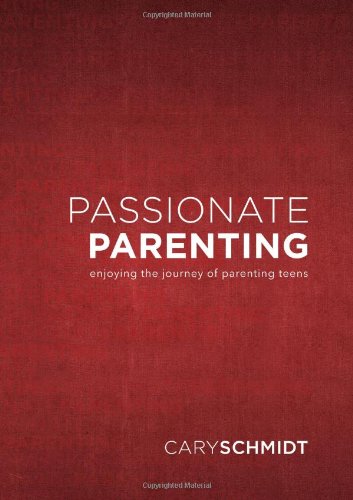
Say Goodbye to Whining, Complaining, and Bad Attitudes... in You and Your Kids Passionate Parenting: Enjoying the Journey of Parenting TeensSolving A Crisis in Christian Parenting: Why so many prodigals?[(Child Training Tips : What I Wish I Knew When My Children Were Young)] [By (author) Reb Bradley] published on (August, 2014)


![[(Child Training Tips : What I Wish I Knew When My Children Were Young)] [By (author) Reb Bradley] published on (August, 2014)](https://m.media-amazon.com/images/I/51SnOcJL+QL._SL500_.jpg)

5. Being Crabby or Irritable at Home
No one wants to be around someone who always puts a damper on things. I have caught myself mumbling and grumbling at times when I come home from shopping. I’m tired, still need to make dinner, and then I find the kitchen wasn’t cleaned up while I was gone.
Can parents ruin a relationship with their kids?
Whoever happens to be around then gets to listen to me complain and be grumpy. Then I wonder why no one is around the next time I come home! A better response would be to do some character training.
Later, when you’re not so grumpy(!), explain to the kids how happy it would make you to come home to a clean kitchen after you’ve been out buying groceries. Chances are, they were busy playing and never thought about that! Also, don’t have expectations if you haven’t given instructions before leaving. Frustration, exhaustion, or stress can cause a tone and attitude that drives emotional connection away. Instead, later, explain how you felt, ask for help, and ask forgiveness if needed. Treat frustrations as teaching opportunities, not resentment-filled judgments.
Frustration, exhaustion, or stress can cause a tone and attitude that drives emotional connection away. Instead, later, explain how you felt, ask for help, and ask forgiveness if needed. Treat frustrations as teaching opportunities, not resentment-filled judgments.
6. Acting Bothered When They Ask for Help
Sometimes, well, rather, most of the time, I’m just plain tired! Little needs or requests for help can seem like such a BIG thing to me.
The thing that has helped me see the importance of responding to requests for help in a cheerful way is thinking of how I feel when my kids don’t want to cheerfully help me. (Hmm…wonder where they got that from!) it kind of hurts when those who love you grumble when you ask them to help you with something.
Realize that your kids are no different, and it hurts them when they ask you for help only to have you respond as though they are a burden.

7. Scolding Harshly for Innocent Mistakes
This makes me think of the child visiting our home who spilled milk at breakfast. I calmly got a cloth and wiped it up. The child was apologetic and embarrassed, and I reassured him that it was just an accident, and those things happen.
His response: “My mom gets really MAD when I spill my milk at home!”
There were times when my kids spilled things, and I was tired and irritated with the mess I had to clean up. I may not have “yelled” at them, but at the same time, I let it be known that I wasn’t happy about it. (More of that grumbling!) This can make a child think we view them as an inconvenience – something I NEVER want my kids to think or feel!
Bonus Tip: When you think “I ruined my relationship with my daughter because I accidentally…”
Parents often confess to me that they are turning careless or critical, even when they didn’t mean to.
If that’s you:
-
Acknowledge the mistake.
-
Humbly say, “I’m sorry.”
-
Pray together for healing.
“Be kind to one another, tenderhearted, forgiving one another, as God in Christ forgave you” (Ephesians 4:32 ESV).
Consistency in love rebuilds trust over time.
How to Repair a Broken Relationship With Your Son or Daughter
If you feel disconnected—perhaps from “how to repair a broken relationship with your son” or “I ruined my relationship with my daughter”—start with these steps:
-
Reflect and apologize where you were wrong.
-
Initiate one-on-one time: walks, games, conversation.
-
Pray together, inviting God’s healing presence—
“A soft answer turns away wrath, but a harsh word stirs up anger” (Proverbs 15:1 ESV).
-
Affirm strengths: build their confidence and reopen dialogue.
-
Be consistent in encouragement and presence.
Make it your goal to avoid these things that ruin the relationship with your child, and work to make strong heart ties with your kids! Show affection often. Tell them you love them, and affirm them often. Those are great ways to keep the relationship strong!
Biblical Foundations for Rebuilding Connection
-
Ephesians 4:32 (ESV)
“Be kind to one another, tenderhearted, forgiving one another, as God in Christ forgave you.”
-
Matthew 6:14–15 (ESV)
“For if you forgive others their trespasses, your heavenly Father will also forgive you…”
Prayer, confession, and grace form the foundation of lasting relational healing.
These everyday missteps above can unintentionally ruin the relationship with your child, but restoration is not only possible—it’s powerful. With humility, empathy, and consistent love, you can mend heart ties and build a relationship rooted in grace, trust, and joy. It’s never too late to reconnect, rebuild, and embrace the calling to love deeply—and well.
Bulleted Overview: 7 Ways to Ruin the Relationship With Your Child (And What to Do Instead)
-
Public embarrassment or correction
-
Avoiding an apology for harsh responses
-
Jumping to advice instead of listening
-
Ignoring their efforts, only pointing out mistakes
-
Being irritated and unapproachable at home
-
Acting bothered when they ask for help
-
Scolding for innocent accidents or errors
Each of these can unwind emotional trust, but you can rebuild stronger through small acts of kindness, apology, listening, and prayer.
Resources on Keeping a Relationship With Your Child
- How To Live Intentionally And Build Relationships In The Home
- 10 Ways to Build A Strong Relationship With Your Teenager
- 10 Ways To Restore Relationships Damaged by Anger
- 7 Practical Ways To Connect With Your Adult Child
- 5 Parenting Mistakes That Turn Your Child’s Heart From You
Make heart ties: 20 Ways To Win Your Child’s Heart