What are effective ways to teach respect to your children, and why does it matter? Respect is a foundational virtue that influences every aspect of a child’s life. It shapes their relationships, character, and even their understanding of God. Without respect, children struggle to develop meaningful connections, show kindness, or honor authority.
The Bible reinforces this truth in 1 Peter 2:17 (ESV): “Honor everyone. Love the brotherhood. Fear God. Honor the emperor.” This verse reminds us that respect extends to all areas of life. So how can we instill this crucial value in our children? Let’s explore practical ways to teach respect in our homes.
How to Teach Respect to Your Kids

Teaching respect starts with us. If we expect our children to be respectful, we must also show them respect. This means responding rather than reacting, studying God’s Word together, and modeling respectful behavior in our daily lives.
Respond Instead of React to Teach Respect to Your Kids
When we feel challenged or disrespected, it’s easy to react emotionally. However, reacting in anger or frustration often comes across as disrespectful and can create an unsafe emotional environment.

Our brains naturally switch into “fight or flight” mode when we feel threatened. But as parents, we need to pause, breathe, and respond thoughtfully rather than react impulsively. I’ll be honest—I’ve struggled with this. Just the other day, my youngest son ran outside and hid behind my car. In my fear, I yelled, “Get your butt back in here NOW!” Oops. That didn’t go well.
After a brief standoff, I realized my reaction was driven by fear. So, I took a deep breath and calmly told him, “I know you’re upset, but I can’t let you be outside alone—it’s not safe. If you won’t come in, I’ll need to call for help because I want to keep you safe.”

He came inside immediately and even apologized.
If you find yourself reacting harshly, take a moment to reflect: Am I responding out of fear, frustration, or the need for control? Journaling and prayer can help identify patterns in your reactions and give you insight into areas for growth.
Affiliate Disclosure: This blog contains affiliate links. I may earn a small commission at no extra cost to you.
How to teach kids to not be disrespectful
Ways to work on conditioning yourself to respond rather than react include prayer and journaling. Writing in a journal daily can help you notice areas (in retrospect) that you may not have given a second thought to otherwise. Prayer, of course, can do the same and expose many things that you need to know about yourself, as well as provide you ample encouragement and insight. You can also ask your children or spouse to point it out for you when you’re doing it.
Use God’s Word and Reading to Teach Respect
The Bible is our best resource for teaching respect. It provides wisdom and guidance on how to treat others. Why not start there?
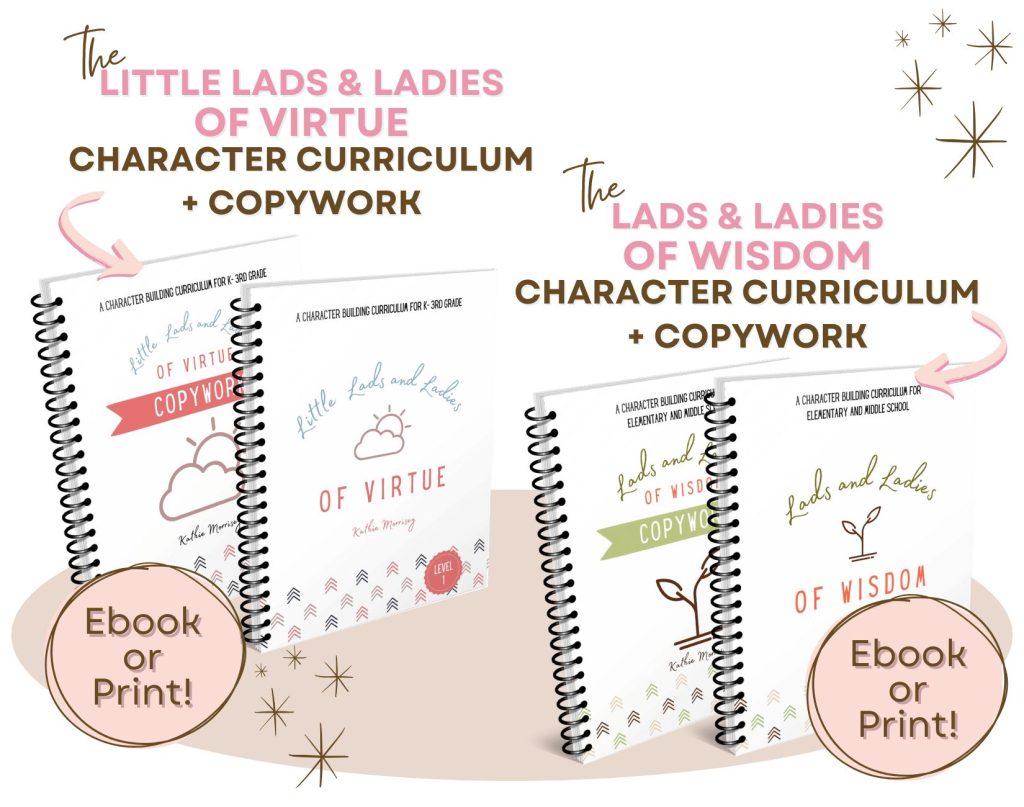
There are also many other great resources available. There is curriculum such as Little Lads and Ladies of Wisdom and Virtue, Bible studies, devotionals, and Scripture copywork for children. If your kids enjoy reading, encourage them to find examples of respect and disrespect in their books. Being able to recognize respectful behavior is a key step in developing it.
For parents, books on child psychology and communication can also be helpful in understanding how to encourage respect in a way that fosters a strong relationship.
Teaching Respect to Your Children by Modeling Respect
We’ve all heard the phrase, “Actions speak louder than words.” When it comes to teaching respect, our actions matter more than anything we say.
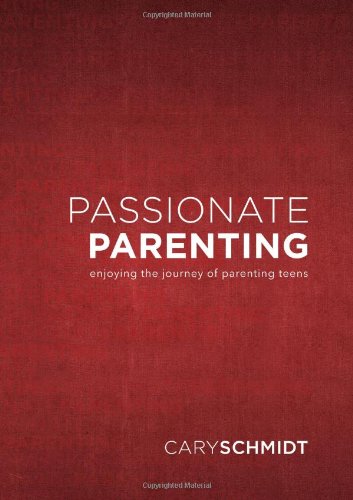
Say Goodbye to Whining, Complaining, and Bad Attitudes... in You and Your Kids Passionate Parenting: Enjoying the Journey of Parenting TeensSolving A Crisis in Christian Parenting: Why so many prodigals?[(Child Training Tips : What I Wish I Knew When My Children Were Young)] [By (author) Reb Bradley] published on (August, 2014)

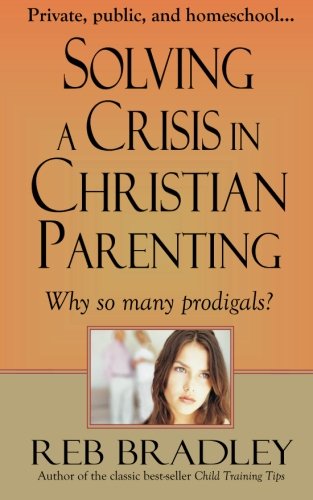
![[(Child Training Tips : What I Wish I Knew When My Children Were Young)] [By (author) Reb Bradley] published on (August, 2014)](https://m.media-amazon.com/images/I/51SnOcJL+QL._SL500_.jpg)
-
How we treat our spouse, neighbors, and even strangers sets an example. Seeing healthy relationships and respect in all circumstances builds a strong foundation. They can also come to a solid understanding that respecting people you disagree with is 100% possible!
-
Apologizing when we make mistakes shows our children that respect goes both ways.
-
When we treat people kindly—even those we disagree with—our kids learn that respect is possible even in tough situations.
If we want our children to be respectful, we must first show them what respect looks like in everyday life.
Instilling respect in our children isn’t a one-time lesson—it’s a process that takes patience, practice, and prayer. If you tend to have strong reactions, start there. Apologize when needed and use those moments to teach. Try incorporating Bible study, journaling, and reading into your family’s routine. Hopefully, you’ve seen clearly how learning respect is an integral part of your children’s overall social-emotional skill set.
Above all, remember this: God’s grace is sufficient. You don’t have to be a perfect parent—you just have to be intentional. Keep pressing forward, and over time, you’ll see the fruit of your efforts in your children’s hearts and lives.
Related Posts for Ways to Teach Respect To Your Children
- Building Your Child’s Respect for Your Spouse
- How Do You Teach a Child Emotional Self Control?
- Two Things That Lead Kids to Rebellion
- The Best Bible Verses for Handling a Disobedient Child
- Solving Sibling Squabbles: Dealing With The Heart Issue
***
Make sure to sign up here and have the series posts and giveaways delivered straight to your inbox!
Visit today’s Building Godly Character in Your Kids Series Sponsor!
State History by A Helping Hand
I had no idea that a state history business was God’s “goal” for me. I simply took small steps of obedience as I wrote a curriculum to meet the needs of my 5 homeschooled children and expanded to other states to support my husband’s ministry to homeschoolers. To God be the glory!