Quick Summary: Stress Free Homeschooling
If homeschooling feels overwhelming, you’re not alone. The good news is that stress free homeschooling is possible with the right mindset and daily habits. By keeping God’s Word at the center, prioritizing relationships over academics, and creating margin in your days, you can experience more peace and joy in your homeschool.
If you were asked to describe your homeschool, would you use the words peaceful and joyful? That’s what we all hope for, but often the word stressful feels more accurate.
Here’s the good news: after homeschooling our 8 kids for 31 years, I can tell you from experience that stress free homeschooling really is possible. It takes some intentional choices, but the payoff is worth it—less stress for you and more joy for your children.
Below are six practical tips that will help you enjoy stress free homeschooling in your home:

1. Make Time for God’s Word
When life gets busy, our time with God is often the first thing to go—and that’s exactly when we need it most.

“But seek first the kingdom of God and his righteousness, and all these things will be added to you.” – Matthew 6:33 (ESV)
Without daily time in the Word, we rely on our own wisdom instead of God’s. Start your day with prayer and Scripture—even a few minutes can re-center your heart and bring peace into your homeschooling.

2. Prioritize Your Days
Stress free homeschooling doesn’t mean doing everything—it means doing the right things.
-
Begin with Bible reading and memory.
Affiliate Disclosure: This blog contains affiliate links. I may earn a small commission at no extra cost to you.

-
Focus on character training.
-
Then move into academics.
When you start with God’s priorities, the rest of your day falls into place. And on days when things fall apart, you’ll know you still gave your children what matters most.
3. Keep Relationships First
Academics are important, but never at the cost of your relationship with your child.
If your child struggles with math or reading, don’t let frustration damage your connection. Encourage them, love them, and remember: they will get it in time. Relationships outlast test scores.
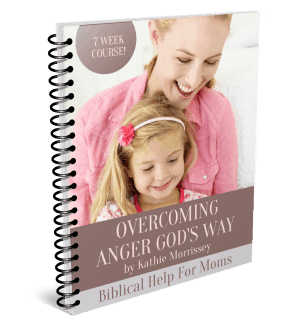
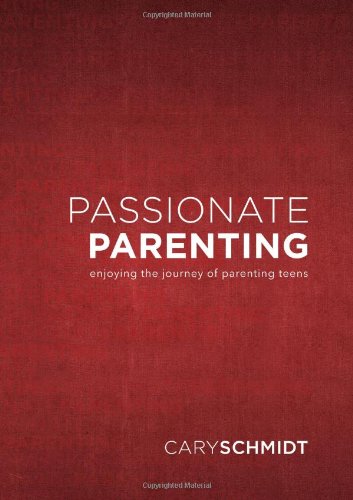
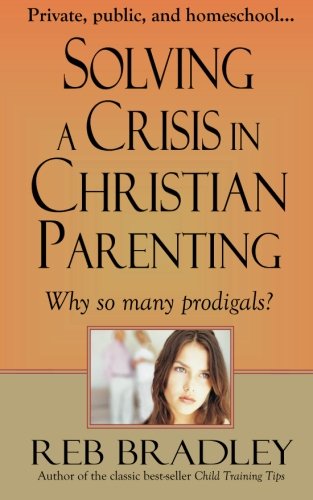
Say Goodbye to Whining, Complaining, and Bad Attitudes... in You and Your Kids Passionate Parenting: Enjoying the Journey of Parenting TeensSolving A Crisis in Christian Parenting: Why so many prodigals?[(Child Training Tips : What I Wish I Knew When My Children Were Young)] [By (author) Reb Bradley] published on (August, 2014)

![[(Child Training Tips : What I Wish I Knew When My Children Were Young)] [By (author) Reb Bradley] published on (August, 2014)](https://m.media-amazon.com/images/I/51SnOcJL+QL._SL500_.jpg)
4. Teach Independence Gradually
By 2nd or 3rd grade, children can begin learning to work more independently.
This takes effort upfront—teaching responsibility, initiative, and character—but over time, it reduces your workload and builds confidence in your kids. Independent learning also prepares them for lifelong growth.
5. Limit Outside Activities
It’s easy to feel pressured to sign up for everything—sports, co-ops, lessons, field trips. But too many activities lead to exhaustion and stress for everyone.
Choose one or two activities that truly benefit your family. Protect downtime at home, where your children can rest, play, and connect with you.
6. Leave Margins in Your Daily Routine
One of the simplest ways to reduce stress is to stop overscheduling. Build extra time into your day for interruptions, conversations, and those inevitable “mom, I need help” moments.
Children aren’t in a hurry the way we are. Slowing down allows you to enjoy the homeschool journey instead of rushing through it.
Final Thoughts on Stress Free Homeschooling
Homeschooling doesn’t have to feel overwhelming. By seeking God daily, setting the right priorities, focusing on relationships, and leaving room to breathe, you can experience stress-free homeschooling filled with joy and peace.
Quick Takeaways for Stress Free Homeschooling
-
Start every day with God’s Word.
-
Prioritize faith and character over academics.
-
Protect your relationship with your child.
-
Teach independence early, step by step.
-
Limit outside activities to avoid burnout.
-
Build margin into your daily schedule.
Related Homeschool Posts You May Enjoy